


What it actually takes for food service to move from startup to profit.
June 22, 2026 / CStoreDecisions
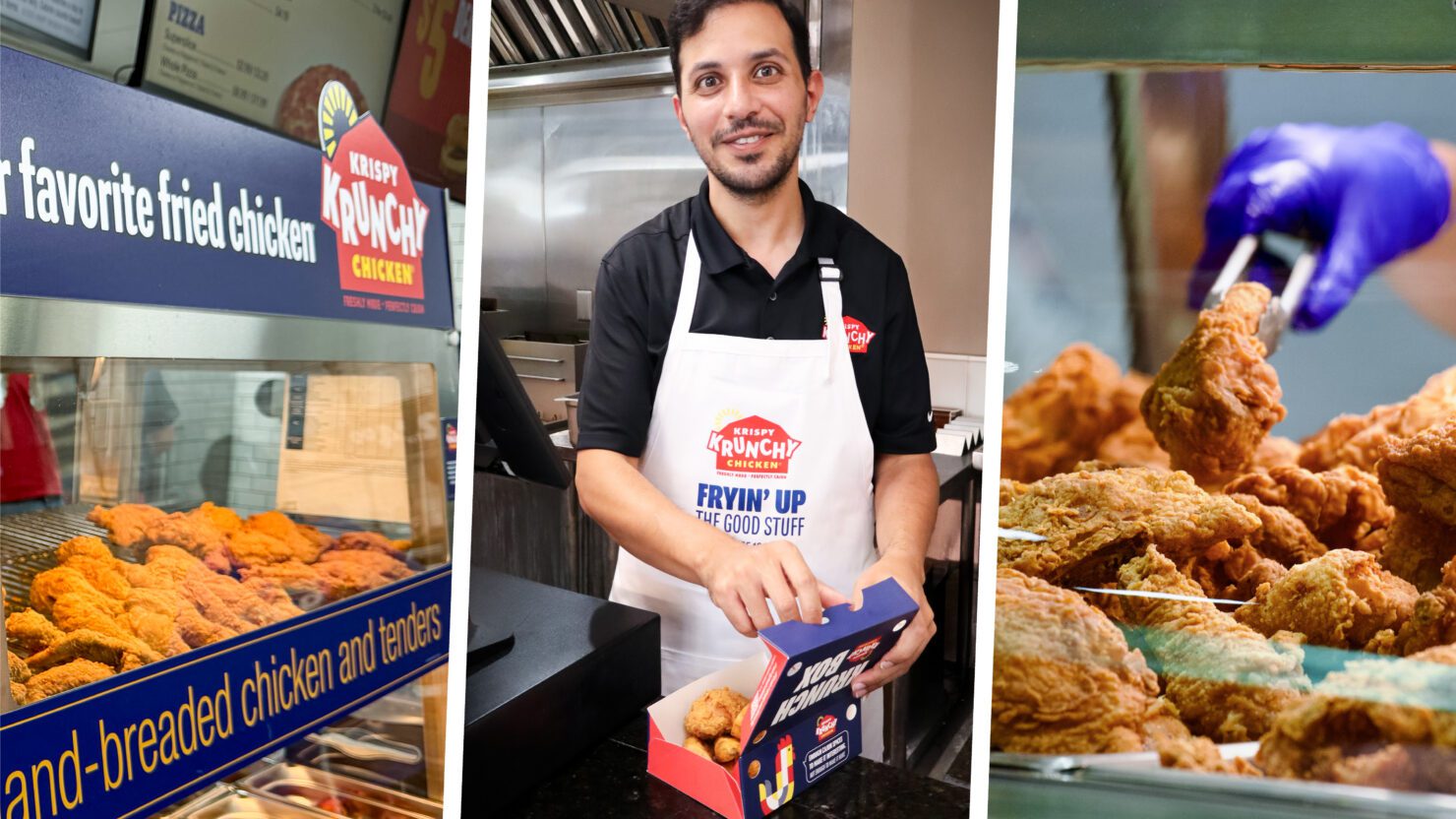
While fried chicken isn’t something that anyone should eat every day, the Southern delicacy is definitely worth indulging in on Every c-store operator has been pitched hot food before. The promise is familiar: more traffic, bigger baskets, and better margins. The hesitation? More labor, more complexity, and more chances for execution to slip. For operators already balancing fuel, packaged goods, staffing, and shrink, this is where the conversation around Krispy Krunchy Chicken® (KKC) begins. Not with a guarantee, but with a practical question: What does it actually take for a hot food program to start contributing to the business?
“It’s not plug and play,” Chris Schulz, vice president of U.S. Field—East for Krispy Krunchy Chicken, says. “But you’re also not building a foodservice program from scratch. You’re attaching it to customers who are already coming through the store.”
KKC offers a practical framework. In the first couple of weeks, stores are becoming operational, not chasing profitability. Teams are learning workflows, adjusting labor coverage, and figuring out how the program fits into key dayparts. Early on, the opportunity is about attaching food to traffic that already exists. Signage, merchandising, local store marketing, and a full hot case drive first-time trial and help operators start turning routine visits into meal purchases.
By the first month, the payback test becomes more measurable. Operators start to see which dayparts move product, how much labor is really needed, and where execution gaps are costing them sales. This is also when the first signs of momentum can show up. Stores that add Krispy Krunchy Chicken have seen foot traffic increase 10–12 percent and merchandise sales increase 15–20 percent, according to transaction-level analysis comparing stores before and after launch against similar control locations. That matters because the return is about both chicken sales coupled with add-on purchases like drinks, sides, and snacks that raise the total ring and make the store a more complete meal destination.
By around the three-month mark, stronger operators begin to feel real traction. Waste comes down, production gets tighter, and labor starts to look less like added overhead and more like productive labor tied directly to sales. Repeat behavior also starts to emerge, but only when the product is fresh, available, and visible. “Stores that struggle usually make the same mistakes: they under-merchandise the offer, leave the hot case light during peak periods, or assume demand will build on its own,” Schulz says. “Stores that succeed treat foodservice like a business inside the business.”
That distinction helps explain why KKC now spans more than 3,600 U.S. locations, sells more than 1 million pounds of chicken per week, and earns strong credibility with operators. In Technomic’s 2026 c-store operator study, 80 percent of surveyed operators cited ease of execution as a top attribute of the program.
For c-store operators still weighing the leap into hot food, KKC is positioning itself as a realistic path to profitable foodservice growth. With a branded program, operational support, and a model built for real-world c-store conditions, it offers operators a clear way to turn existing traffic into incremental revenue over time.
Learn more by visiting Krispy Krunchy Chicken’s website.